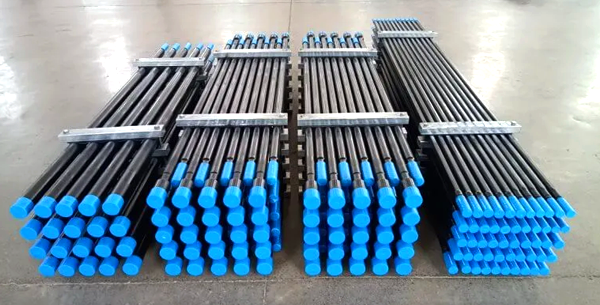
In underground mining and tunneling operations, the T38-Hex35-R32 Drifter Rod stands out as one of the most reliable and efficient top hammer drill string configurations. Featuring an asymmetrical design—characterized by a heavy-duty backend, high-rigidity body, and a compact front end—this specific drifting drill steel delivers exceptional energy transmission and bending resistance under the high-frequency impacts of modern hydraulic jumbo drills.
1. Decoding the Specification: What is T38-Hex35-R32?
This standard industry nomenclature defines the geometry and thread characteristics of the drill rod’s three primary sections:
- T38 (Backend Thread): Connects to the shank adapter or a coupling sleeve. The 38mm trapezoidal thread features a robust profile designed to withstand massive impact energy and rotational torque from the rock drill without loosening.
- Hex35 (Rod Body Shape): The rod body utilizes a 35mm hexagonal cross-section alloy steel. Compared to round steels of a similar weight, hexagonal steel provides a higher second moment of area, resulting in superior resistance to bending.
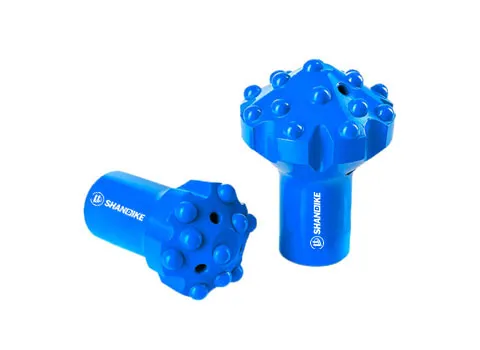
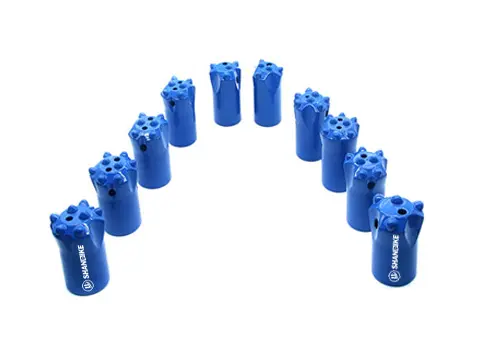
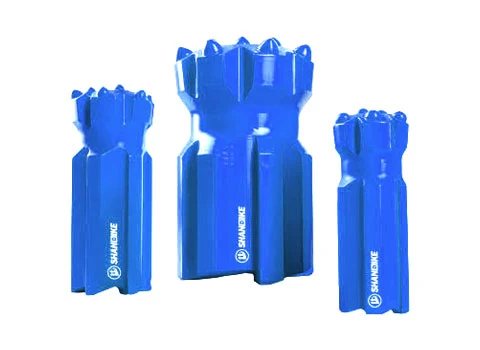
- R32 (Frontend Thread): Connects to the rock drill bit. The R32 (32mm rope thread) is the industry standard for small-to-medium hole bits, ensuring a secure tight fit while remaining relatively easy to uncouple during reverse rotation.
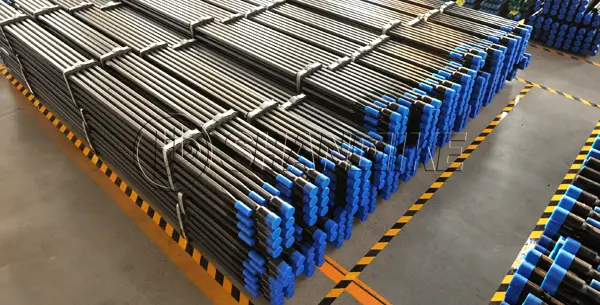
2. Core Mechanical and Application Advantages
Drifting and tunneling typically involve horizontal or low-angle drilling, where drill rods are constantly subjected to sagging from gravity and bending from uneven rock faces. Utilizing the T38-Hex35-R32 configuration provides several distinct operational advantages:
- Exceptional Bending Rigidity: The Hex35 hexagonal profile minimizes rod deflection during drilling. This ensures excellent hole straightness, which directly improves blasting efficiency and prevents costly over-break or under-break.
- Optimized Flushing and Sludge Clearance: The hexagonal body naturally creates an irregular clearance gap against the round borehole wall. As flushing water or air exits the drill bit, the high-pressure fluid carries rock cuttings backward smoothly along the flat sides of the hex rod. This design drastically reduces the risk of sticking, especially in fractured or muddy formations.
- Perfect Energy Transition: The cross-sectional progression—from the large T38 thread down through the rigid Hex35 body to the R32 bit end—creates an optimized energy path. This smooth transition minimizes stress concentration and destructive shockwave reflections, protecting the threads from overheating and premature fatigue failure.
3. Common Lengths and Drilling Rig Compatibility
T38-Hex35-R32 drifter rods are manufactured in various standard lengths to match the feed length of different tunneling jumbos. The most prevalent sizes include:
- 3050 mm (10 ft)
- 3700 mm (12 ft)
- 4310 mm (14 ft)
In terms of structure, this specification is most commonly deployed as an MF (Male-Female) Speed Rod, where the T38 end features a built-in sleeve and the front end features an R32 male thread. This allows for seamless compatibility with automated rod-handling systems on modern rigs.
The T38-Hex35-R32 configuration is fully compatible with top-tier hydraulic jumbo drills, including Sandvik DD210, DD311, and DD421 series tunneling rigs, as well as Epiroc / Atlas Copco Boomer S1, Boomer M2, and Boomer E2 models.
4. Manufacturing Standards and Metallurgy
To deliver a long service life in high-abrasion, hard-rock environments (such as granite or basalt), high-quality drifter rods must adhere to strict metallurgical and processing standards:
- Premium Hollow Alloy Steel: The base material generally uses high-strength low-carbon alloy steels like 23CrNi3Mo or 25CrNi3Mo, ensuring the core of the rod maintains excellent impact toughness.
- Full-Rod Carburization: This heat treatment process creates a hardened outer layer (HRC 58-62) across the entire rod to resist abrasive wear from rock chips, while keeping the core ductile to absorb intense shockwaves.
- Precision Thread Rolling: Instead of cutting, threads are cold-rolled to ensure the steel fibers remain continuous. This process significantly enhances the wear resistance and fatigue life of both the T38 and R32 threads.