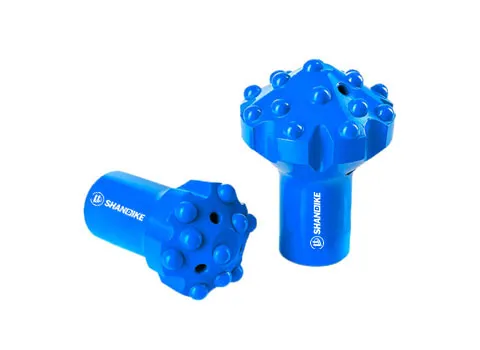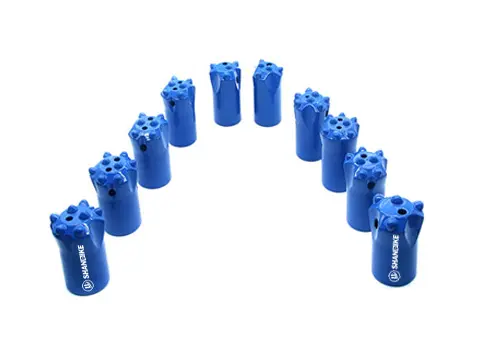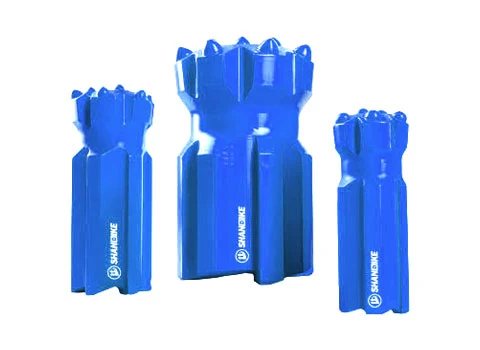
So, what is a Hex32 Drifter Rod? Basically, it’s a heavy-duty drilling bar used for digging tunnels or working in underground mines. The main thing that sets it apart is its hex shape, measuring 32mm across the flats. That hexagonal design helps deliver both impact and rotation force to break up hard rock more efficiently.
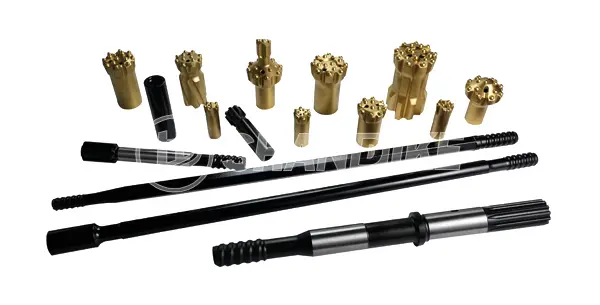
Shape: Hexagonal. Why not round? Well, the hex shape gives you better resistance to twisting and bending. Plus, it won’t slip as easily when you’re running high torque, and it helps keep the hole straight and accurate.
Size across flats: 32mm. That’s a bit bigger than the 28mm rods, so it can handle heavier loads.
What it’s made of: Usually high-strength alloy steel – common grades include 35SiMnMoV, 23CrNi3Mo, or forged carbon steel.
Heat treatment: Quenched and then tempered. This creates a tempered martensite or sorbite structure, which gives a good balance between strength and toughness.
Impact toughness: ≥ 12 J (tested with a Charpy V-notch at room temperature).
Thread types: Works with standard international threads. The ones you’ll see most often are R32, R38, T38, T45, and so on.
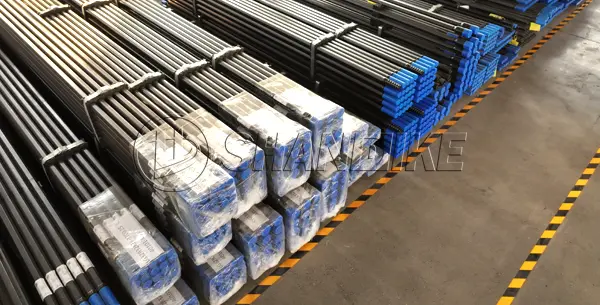
You can get Hex32 rods in different lengths and thread styles depending on how deep you need to drill. Here’s a rough breakdown based on what’s out there in the market:
| Thread Type | Length (mm) | Approx. Weight (kg) | Reference Price (per unit) | Key Features |
|---|---|---|---|---|
| R32 | 2400 | 15.3 | market average | Standard config for general excavation |
| R32 | 3700 | 23.6 | market average | Suitable for deeper holes |
| T38 / R38 | 3090 | 19.8 | $96.00 (approx.) | Export-friendly, good cost-performance |
| R32 | 2200 – 6100 | 5 – 80 | custom quote | Wide length range, customizable |
| General purpose | various | calculated as needed | ¥141.95 and up | 23CrNi3Mo steel, suitable for rock drills |
Just keep in mind – the weight is estimated based on length and material density. Actual weight may vary by manufacturer. And prices change depending on market conditions, how many you order, and any custom work needed.
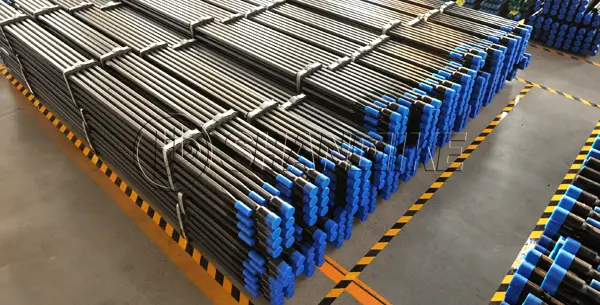
These rods are built for tough, high-load jobs underground. Typical uses include:
Underground metal mines – like gold, copper, or iron ore mines, for production drilling.
Tunnel excavation – often paired with hydraulic jumbos (for example, Sandvik Simba or Epiroc Boomer rigs).
Rock bolting – drilling anchor holes to stabilize rock masses.
When you’re ready to buy, you’ll want to figure out three main things:
Rod diameter – make sure it’s Hex32.
Thread type – check your drill rig. Does it use R32, T38, or something else? You can usually find this stamped on your old drill rod or in the equipment manual.
Length – pick a single rod length based on how deep your holes need to be. If you need to go deeper, you can always use coupling sleeves to connect multiple rods.